BURGENLAND CROAT FOLKLORE

About us

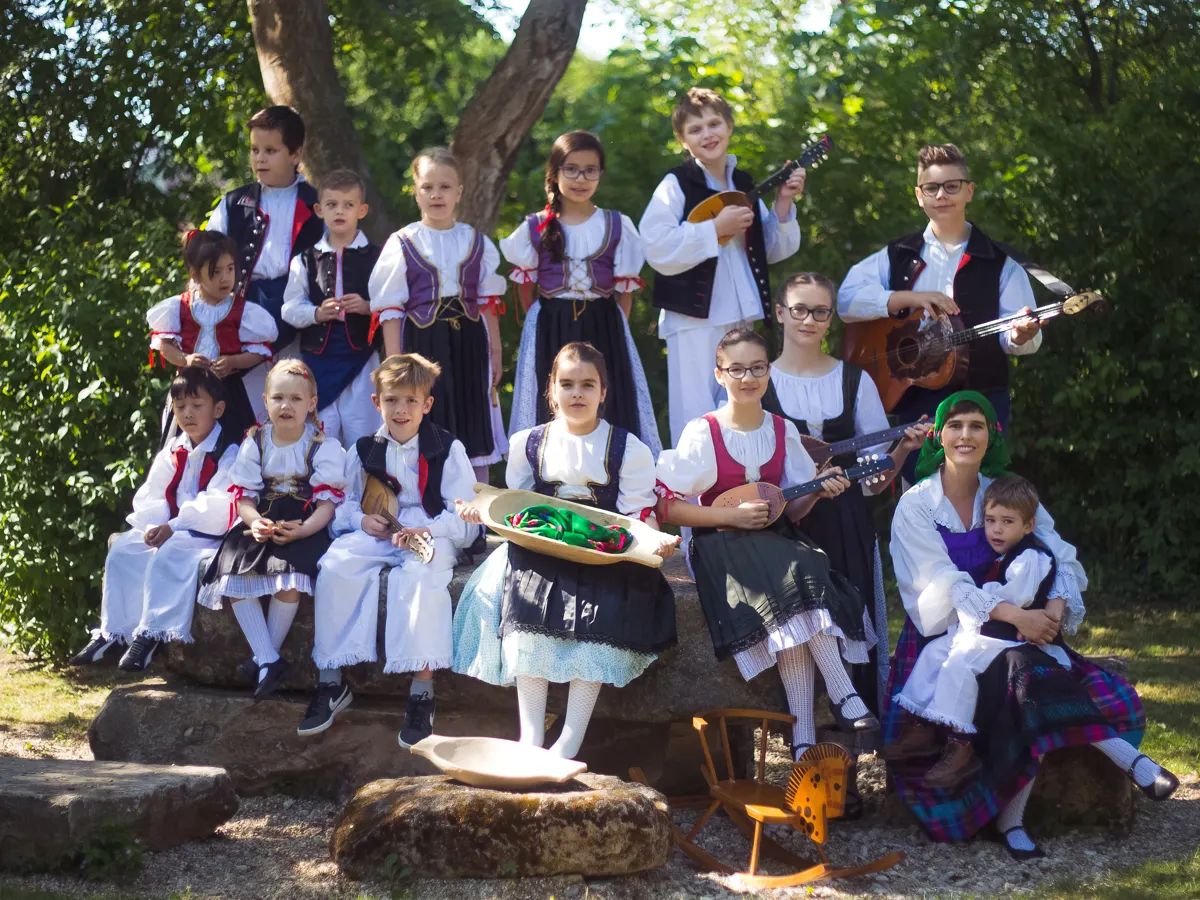
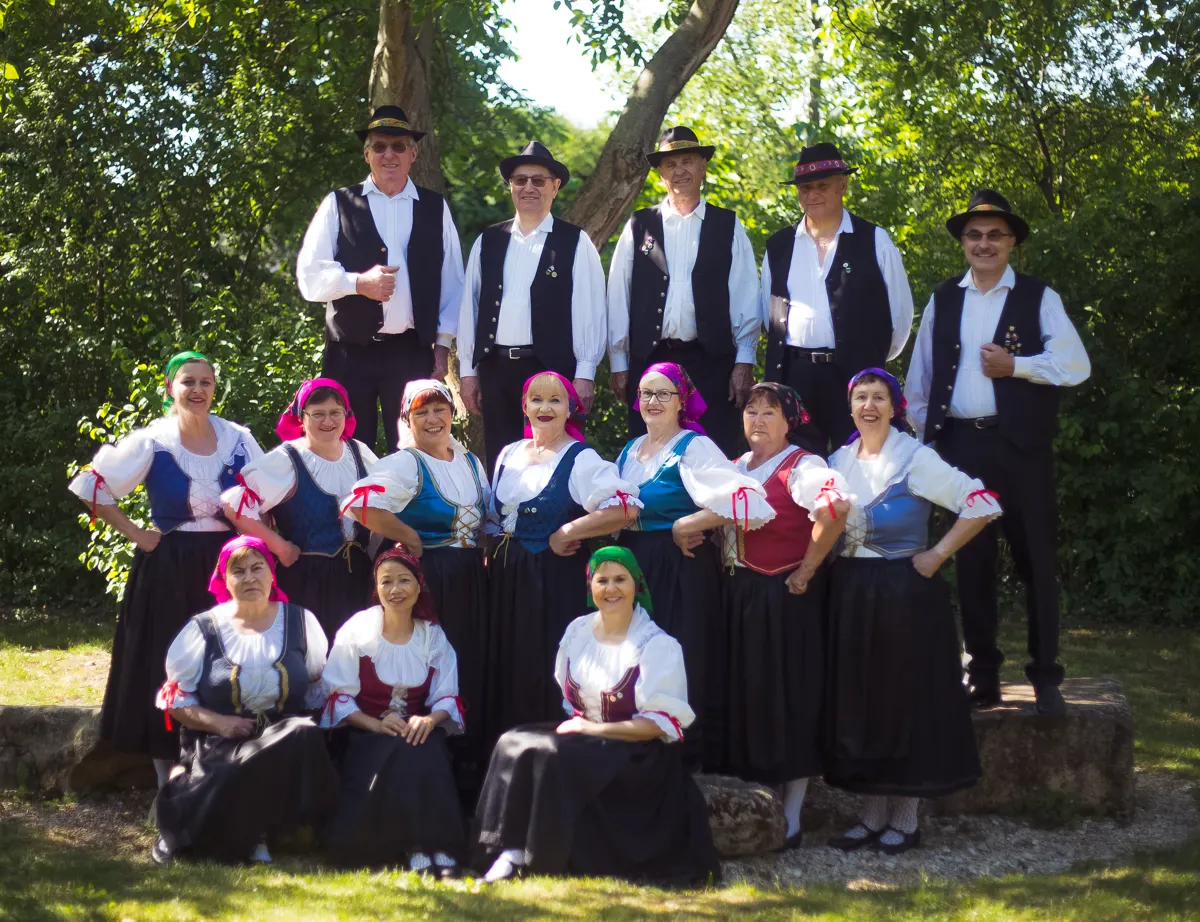
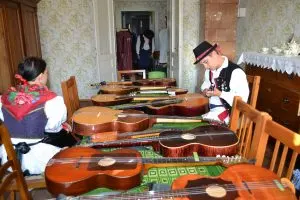
Tamburica, dance and song. Together, we keep the culture of the Burgenland Croats alive and pass it on to the next generation.

Poljanci

Our ensemble

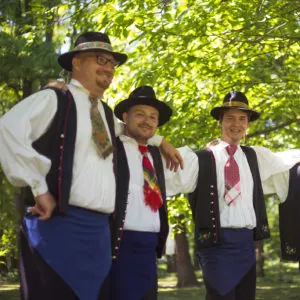
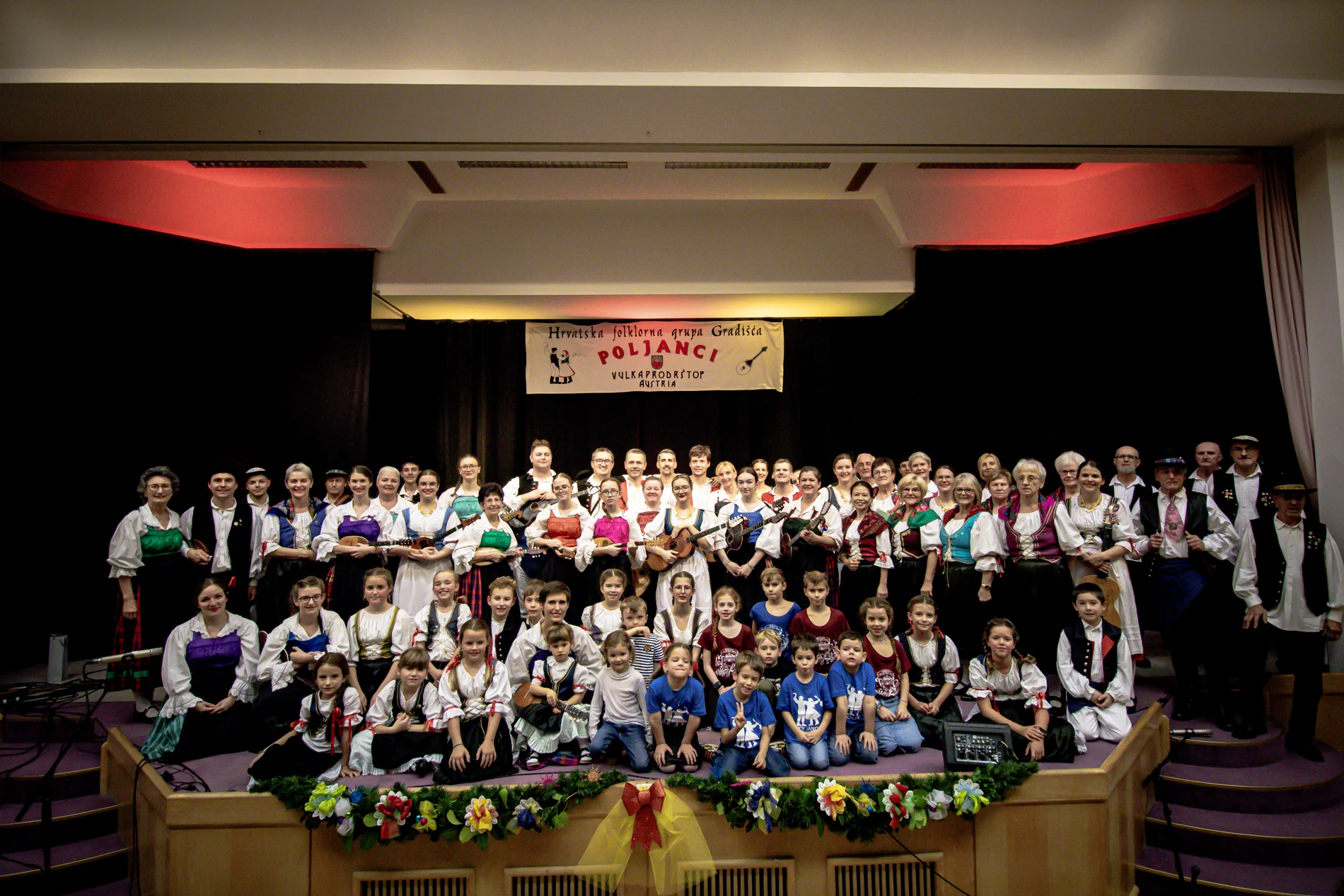
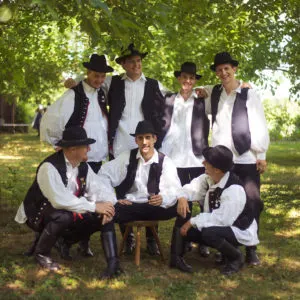
Since 1977, Poljanci has brought generations together in Wulkaprodersdorf. Through tamburica, dance and song, we keep Burgenland Croatian language and culture alive.

Join us

Our repertoire

At the beginning our musical repertoire was influenced by Jakob Dobrović and Feri Sučić .

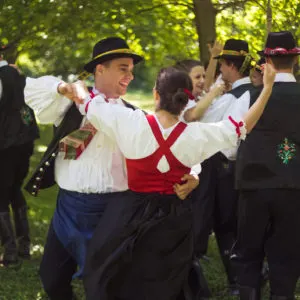
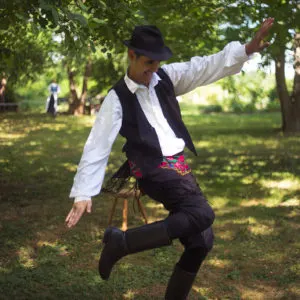
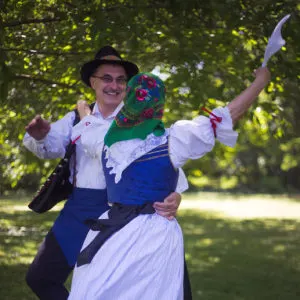
Step by step we have developed our own taste so that today we perform traditional as well as sacral and popular music . Our dance repertoire includes

  • seven Burgenland-Croatian,
  • seven Croatian,
  • one German
  • and two Hungarian

choreographies.

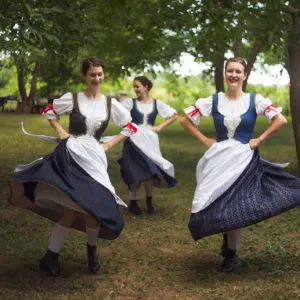
Our repertoire contains Croatian dances from the Posavina, Banat, Baranja, Međimurje, Bunjevci, Middle Burgenland, Ražanac, the Kolo of Steinbrunn and a Young ladies‘ kolo, the Miller’s dance, three dances and the Wedding dance of Wulkaprodersdorf, Kalocsai páros and a Csárdás.
Archive · photos 1Archive · photos 2Archive · photos 3Archive · photos 4Archive · photos 5Archive · photos 6

What matters to us

  • Youth work Our aim is to inspire and in this way to enrich not only adults but also children and teens. Youth work has always been one or our fundamental intentions and we have never let it out of sight. A young person should get the opportunity to experience life as a member of an organization. One should get the chance to learn to appreciate the good and healthy athmosphere of a group, which means pleasure, acceptance, understanding, tolerance, responsibilty, punctuality, readiness, in a word the real good mood of a group that enriches one’s quality of life. Every member of the organization should cooperate voluntarily and free of charge according to his or her ability.
  • The cultivation of the Croatian language and culture POLJANCI try to bring Croatian culture and language closer to everybody, youngsters and adults, not depending on age. Our music and dances are not only closely connected with tradition, but we also pay attention to popular songs, hits of the day and older ones. By opening our repertoire we try to establish contact with as many people as possible.
  • Getting to know other cultures Almost every year we organize a journey to a foreign country to establish new contacts and to introduce our beautiful Croatian culture to other nations. Such tours across the Austrian boarders mean new exprerinces for everybody. We are interested in enlarging our horizon and in gettting to know other cultures.
Archive · photos 1Archive · photos 2

At home by the Wulka

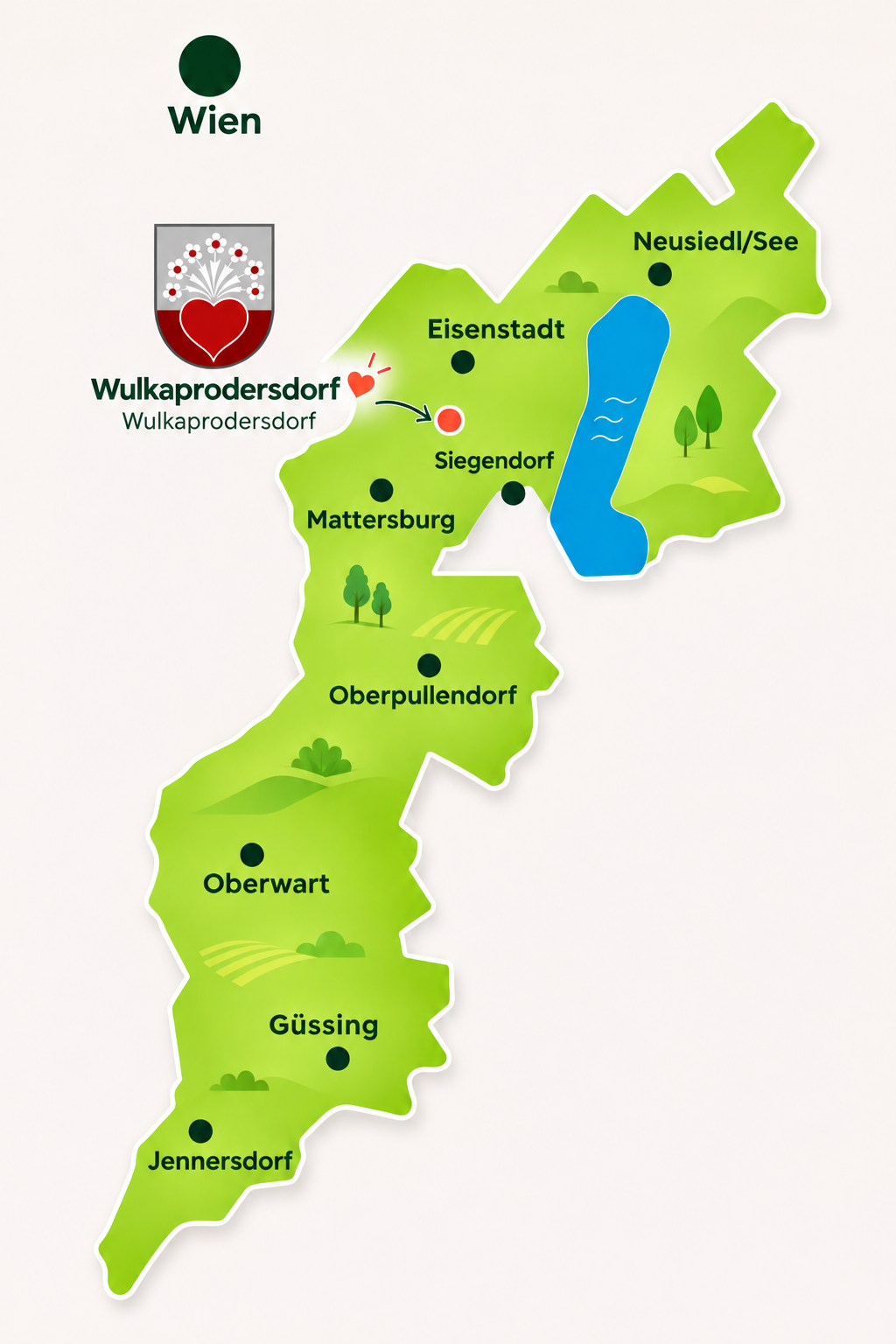
Wulkaprodersdorf, in the province Burgenland , lies between Lake Neusiedl and the Rosalia Mountains in the Wulka valley. The climate and fertile soil are the basis for harvesting various and rich crops. In the past decades the village’s focus has turned from farming to wine-growing . Every year an enormous vine-tasting-feast is organized.

Wulkaprodersdorf is also an important railway junction and forms the link between Eisenstadt, Sopron and Vienna.

Facts

  • about 2000 inhabitants
  • extension approximately 12 km²
  • lies on the river Wulka
  • partly Croatian-speaking population
Burgenland · Wulkaprodersdorf

Our history

From the Poljanci archive +

In 1977 about 30 young people meet upon the iniciative of mag. Angelika Kornfeind to dance together. A little later Jakob Dobrović with his young musicians, playing the tamburitza, takes over the musical leadership. Mothers of the young members sew the costumes and under the name POLJANCI the group soon begins to gain a fix position in the folk-dance and folk-music scene of Burgenland. The music and dance programmme is widened and sacral and popular music are included. For the 10-years’ anniversary a music cassette is published, and for the 20-years’ jubilee a MC/CD, a booklet with music and dance descriptions plus video for beginners and advanced is produced, a booklet with popular and one with sacral songs for tamburitza is published, for the ORF songs for children are recorded, a PowerPoint presentation is designed and a web-site is installed. In 1988 young tamburitza-players start their training and a children’s group is founded which performs under the name “Small and young POLJANCI”. In 1999 the group gets a choir. The group regularly performs in Wulkaprodersdorf, the surrounding boroughs and other locations in Austria and acroos the boarder. In 1992 the training place canges from the church barn to the newly extended elementary school. In 2002 the group celebrates its 25-years’ anniversary. During the time the musical leadership moves from Maria Zarits to Gerhard Krumpeck, Ante Pletikosić and finally to Julia Kornfeind and Stefanie Ferschin. The dance leadership changes from Nikolaus Semeliker, Rudolf Stagl, Günther Guttmann back to Nikolaus Semeliker and finally to Lukas Kornfeind.

From the beginning the members have tried to keep themselves in a good mood and to transport this good mood upon others.

2012: 35th anniversary

Visits to foreign countries:

  • 1979: Jugoslavia (Lipovljane)
  • 1980: Germany (Gemünden, Laubach), the Netherlands (Lochem)
  • 1981: Italy (Gorizia), France (St.Estéve), Switzerland (Winterthur)
  • 1983: Italy (Penna S. Andrea)
  • 1984: Germany (Gemünden)
  • 1985: France (St.Estéve)
  • 1988: France (Burgund, Alsace)
  • 1990: France (Alsace/Imbsheim), Slovakia (Devinska Nova Ves)
  • 1995: Great Britain (Wales/Llangollen-Eisteddfod, London)
  • 1997: Belgium (Brüssel, Zedelgem)
  • 1999: Lithuania (Palanga, Kaišiadorys)
  • 2001: France (Paris, Bretagne/Guimiliau, Bannalec)
  • 2002: Ireland (Ennis, Dublin)
  • 2004: Romania (Timisoara, Carasova)
  • 2006: South Tyrol (Villanders)
  • 2008: Lithuania (Klaipéda)
  • 2009: Italy (Venice, Rome, Molise Croats)
  • 2010: Croatia (Sveti Martin na Muri)
  • 2011: Canada/USA (Toronto/New York)
  • 2013: Germany (Dresden, Bautzen / Lusatian Sorbs)
  • 2014: Germany (Munich)
  • 2015: Hungary (XII. St Stephen’s International Folk Dance Festival, Abony-Szolnok-Cegléd)
  • 2016: Czech Republic (XXII. International Folk-festival Pisek)
  • 2017: Bosnia and Hercegowina and Serbia (Dolac on the Lašva and Tavankut)
  • 2019: France & Italy (World Folklore Festival Diano Marina, San Remo, Cannes)
  • 2023: Montenegro (Internationa Folklore Festival Budva)
  • 2024: Croatia(Đakovački Vezovi)

Summer holidays in Croatia:

  • 1982: Rabac/Istria
  • 1986: Baška/Krk
  • 1987: Nerežišće/Brač
  • 1989: Dubrovnik/Southern Dalmatia
  • 2000: Krk/Krk
  • 2005: Stobreč-Split/Dalmatia
Archive · photos 1Archive · photos 2